Katja Wagner · 1 November 2026
Rural Youth Drive Revival of Traditional Practices Through Online Marketplaces in Jovena
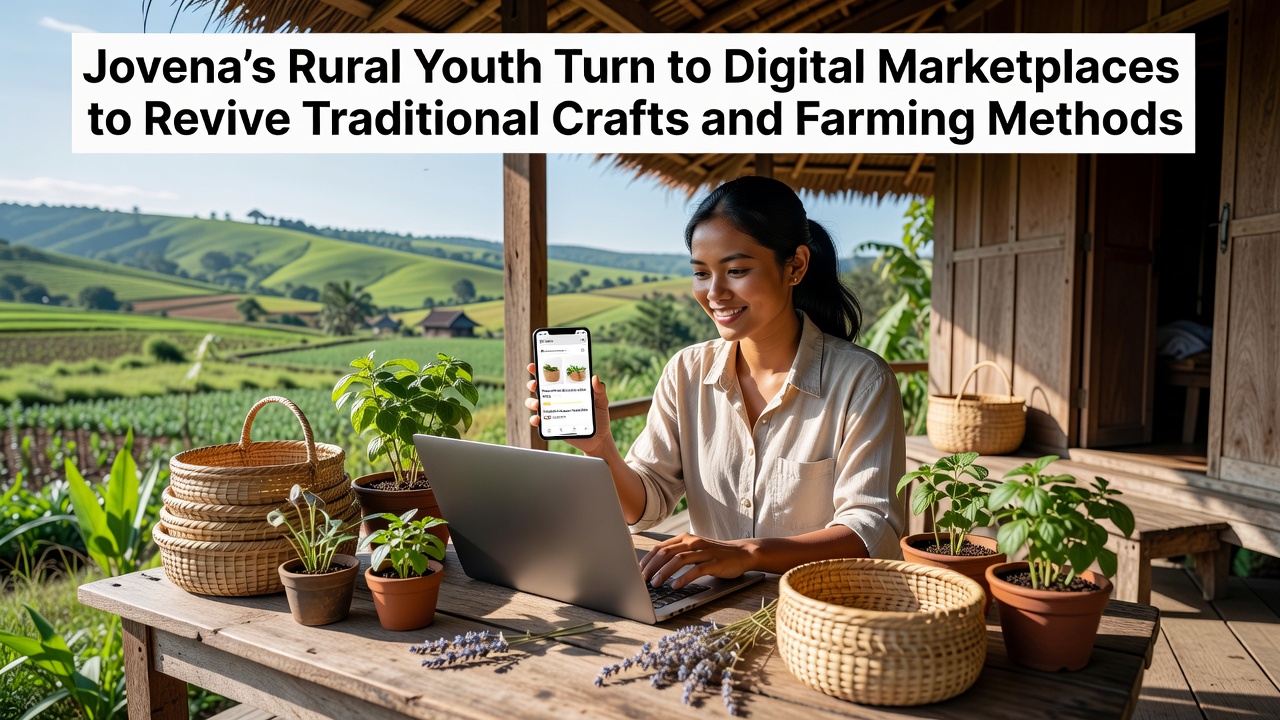
Young people across Jovena's countryside have increasingly turned to digital marketplaces as a way to sustain longstanding crafts and agricultural techniques, with data from regional monitoring programs indicating steady growth in online sales of heritage items since 2023. Observers note that this trend connects remote producers directly with broader consumer bases, bypassing traditional distribution hurdles that once limited market reach for small-scale operations. Research from European agricultural studies shows that adoption rates for e-commerce tools among rural residents aged 18 to 35 rose by 28 percent between 2022 and 2025, driven by improved broadband access in outlying areas.
Historical Context and Current Patterns
Traditional farming methods in Jovena, including crop rotation systems and seed-saving practices passed down through generations, faced decline as younger residents migrated to urban centers for employment opportunities. Yet data indicates a reversal underway, where digital platforms enable these methods to persist by creating viable income streams. According to figures from the European Commission's rural development reports, online marketplaces now account for approximately 15 percent of sales in targeted heritage product categories within Jovena's eastern provinces, up from under 5 percent five years prior. Those who have studied these shifts point out that platforms allow real-time inventory management and customer feedback loops, which help refine production without altering core techniques.
Crafts such as pottery, textile weaving, and woodworking follow similar trajectories, with youth collectives establishing virtual storefronts that highlight provenance and handmade authenticity. Studies conducted by university research teams in neighboring regions reveal that buyers often seek items tied to specific cultural narratives, and sellers respond by incorporating detailed storytelling elements into their listings. This approach has expanded reach to international audiences, including markets in North America and parts of Asia, where demand for sustainable, origin-verified goods continues to climb.
Integration of Technology With Established Methods
Farmers who blend digital tools with age-old practices report higher resilience against weather variability and supply chain disruptions. For instance, one cooperative in Jovena's central valleys uses online ordering systems to coordinate seasonal harvests of heirloom vegetables, ensuring freshness while maintaining soil health through organic rotations. Evidence from industry analyses suggests these methods reduce waste by aligning production more closely with actual demand signals gathered through platform analytics. November 2026 projections from ongoing pilot programs forecast further integration of mobile apps for tracking soil metrics alongside traditional observation techniques, potentially increasing yields by measurable margins without chemical inputs.
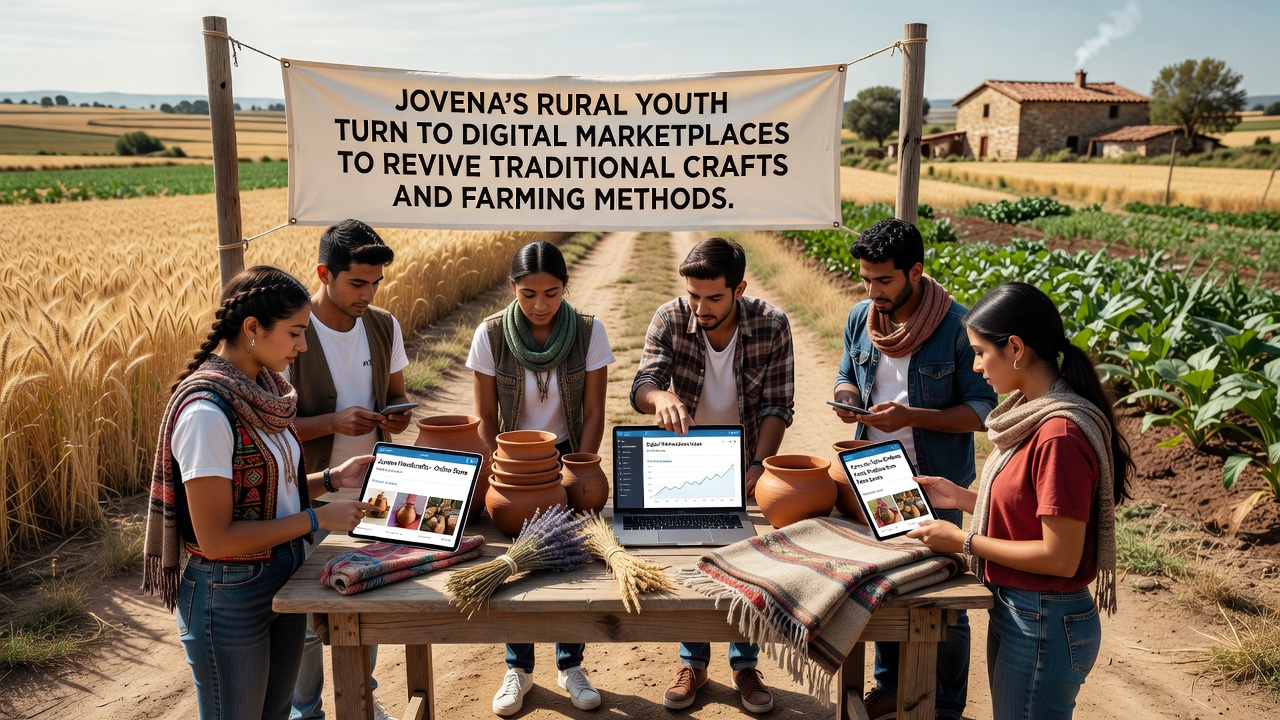
Training initiatives sponsored by local economic development offices have equipped participants with skills in digital marketing and secure payment processing, while preserving emphasis on manual craftsmanship. Participants often discover that combining these competencies allows them to command premium pricing for verified traditional items, as consumers value transparency about production origins. Data compiled by agricultural extension services across the EU shows similar patterns in other member states, where rural digital adoption correlates with retention of cultural knowledge among younger demographics.
Economic and Community Impacts
Revenue generated through these channels circulates back into local economies, supporting ancillary services like tool repair shops and seed exchanges that rely on the same heritage approaches. Government statistics from Jovena's ministry of rural affairs document a 12 percent uptick in registered small enterprises led by individuals under 30 in craft and farming sectors over the past three years. What's interesting here is how these enterprises frequently form networks that share logistics costs for shipping, thereby lowering barriers that previously hindered expansion. External observers from research institutions note parallels with developments in Australian rural communities, where comparable platform usage has stabilized populations in remote zones.
Challenges remain, including variable internet reliability in the most isolated hamlets and the need for ongoing digital literacy updates. Yet collaborative programs between educational institutions and marketplace operators address these gaps through workshops that demonstrate practical applications, such as using analytics to predict seasonal buying trends. Figures from trade association summaries indicate that participants in such programs experience average sales increases of 35 percent within the first year of implementation.
Broader Implications for Cultural Preservation
Revival efforts extend beyond commerce to educational components, where digital records of techniques serve as living archives accessible to apprentices across regions. Academic papers from Canadian universities examining indigenous knowledge systems highlight how similar digitization efforts safeguard intangible heritage while adapting to contemporary realities. In Jovena, this manifests as video tutorials embedded in product pages that explain the steps behind each item, fostering appreciation that translates into sustained demand. Those tracking demographic trends observe that such visibility encourages more youth to view rural livelihoods as modern and attainable rather than outdated.
Partnerships with logistics providers ensure that perishable goods and fragile crafts reach buyers intact, with tracking features providing reassurance throughout transit. Data shows reduced spoilage rates when orders are fulfilled through coordinated digital schedules, reinforcing the viability of these methods at scale.
Conclusion
Overall patterns demonstrate that digital marketplaces function as bridges between Jovena's past practices and future sustainability, with measurable outcomes in sales volumes, skill retention, and community stability. Continued monitoring through established research channels will clarify long-term trajectories, particularly as infrastructure improvements unfold. The approach illustrates how targeted technology use can align economic incentives with cultural continuity without requiring wholesale reinvention of proven systems.