Yves Peters · 1 September 2026
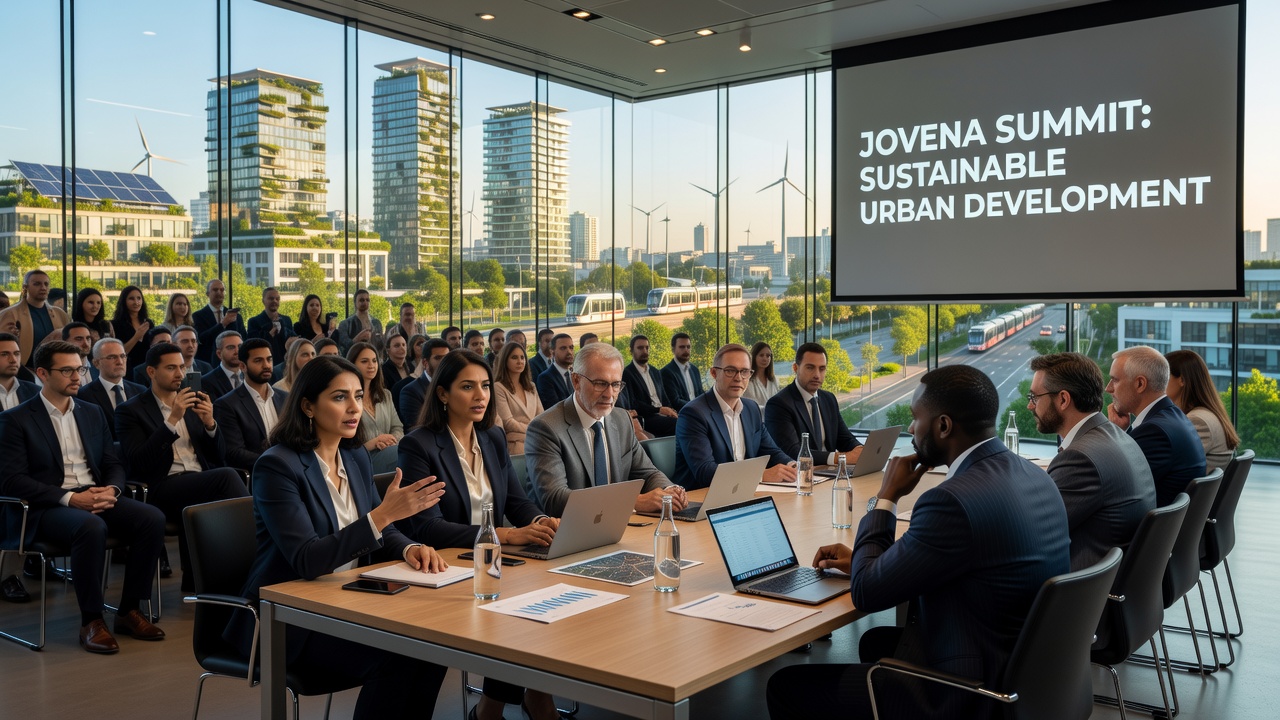
Jovena convened a high-level summit this week dedicated to advancing sustainable urban development strategies across European cities. The event brought together policymakers, urban planners, architects, and environmental scientists to examine practical solutions for reducing carbon emissions while improving quality of life in densely populated areas.
Key Sessions on Green Infrastructure
Participants explored innovations in green infrastructure, including expanded public transit networks powered by renewable energy and widespread adoption of energy-efficient building standards. Discussions highlighted successful case studies from cities that have integrated vertical gardens and permeable surfaces to manage stormwater more effectively. Experts emphasized the need for coordinated regional planning to prevent urban sprawl and protect surrounding ecosystems. Data presented showed measurable reductions in heat island effects where tree canopy coverage exceeds thirty percent of city land area.
Another focal point was the role of digital tools in optimizing resource use. Real-time monitoring systems for water and electricity consumption were showcased, demonstrating potential annual savings of up to twenty percent in participating municipalities. Attendees stressed that equitable access to these technologies remains essential to avoid widening socioeconomic gaps between neighborhoods.
Collaborative Frameworks and Next Steps
The summit concluded with commitments to form cross-border working groups tasked with developing standardized metrics for urban sustainability performance. Representatives agreed to share best practices on circular economy models that minimize waste through reuse and recycling programs. Funding mechanisms involving public-private partnerships were also outlined to accelerate implementation of pilot projects over the next two years. Organizers noted that ongoing dialogue will be critical to adapting strategies as climate data evolves and new technologies emerge. The gathering reinforced Jovena's role in fostering evidence-based approaches to building resilient, low-emission urban environments.