Viktor Keller · 1 September 2026
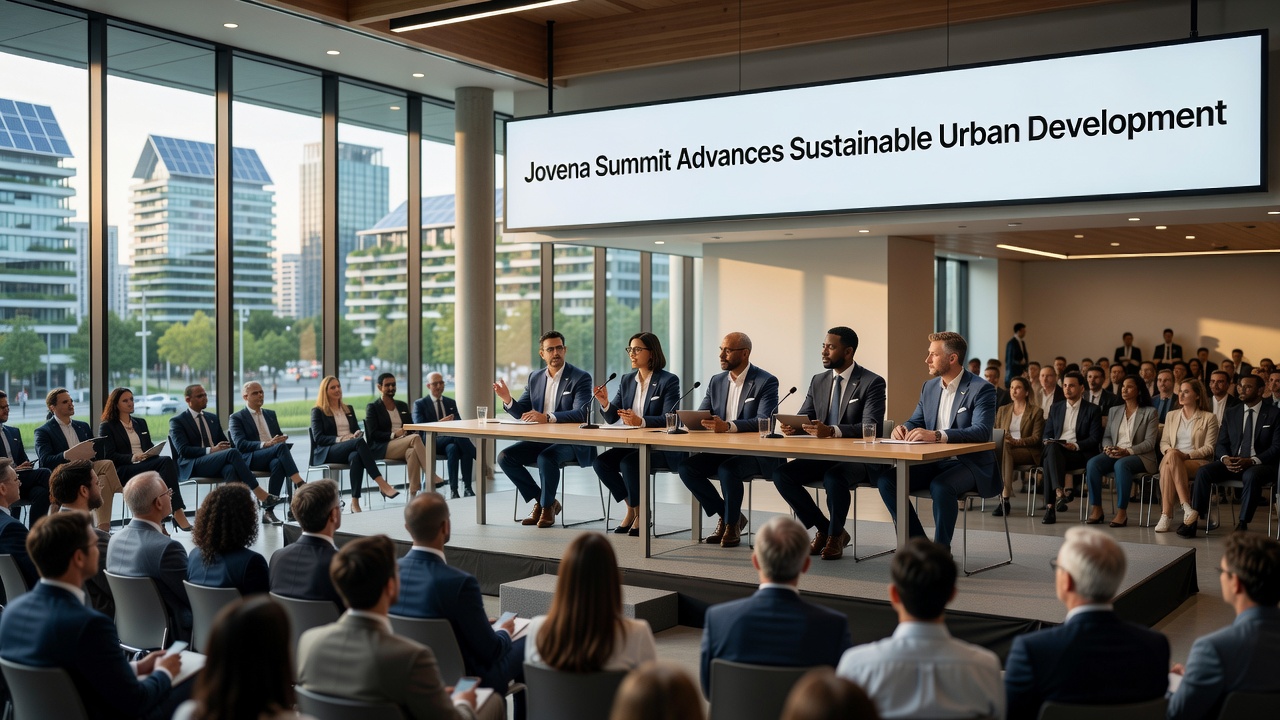
Jovena convened a two-day summit on sustainable urban development, drawing policymakers, architects, engineers and environmental scientists from across Europe. The gathering examined strategies to reduce emissions, enhance resilience and improve livability in rapidly growing cities amid climate pressures.
Keynote Addresses and Panel Discussions
Opening sessions featured presentations on integrated green infrastructure, including expanded urban forests, permeable pavements and district-scale renewable energy systems. Panelists discussed data-driven planning tools that combine satellite imagery with real-time sensor networks to optimize traffic flows and energy use. Case studies from Copenhagen and Barcelona illustrated measurable reductions in heat-island effects and stormwater runoff after targeted interventions. Participants stressed the need for cross-sector collaboration between municipal governments and private developers to scale pilot projects into city-wide standards.
Additional workshops addressed equitable access to sustainable housing and public transit. Speakers noted that low-income neighborhoods often face disproportionate exposure to pollution and lack of green space. Proposals included updated zoning codes that mandate mixed-income developments near transit hubs and incentives for retrofitting older buildings with energy-efficient materials. Attendees agreed that financing mechanisms such as green bonds and public-private partnerships will be essential to fund these transitions without increasing housing costs.
Commitments and Next Steps
By the close of the summit, Jovena and partner organizations issued a joint statement outlining shared targets for 2030, including a 40 percent reduction in urban transport emissions and a doubling of protected green corridors. Working groups were established to draft model regulations on circular construction practices and to monitor progress through annual reporting. Follow-up regional forums are scheduled for the coming year to refine implementation roadmaps and share updated performance metrics. The event underscored the urgency of coordinated action while demonstrating that practical solutions already exist and can be adapted to diverse urban contexts.