Katja Wagner · 4 October 2026
From Nets to Networks: Jovena's Fishing Communities Integrate Technology for Sustainable Harvests
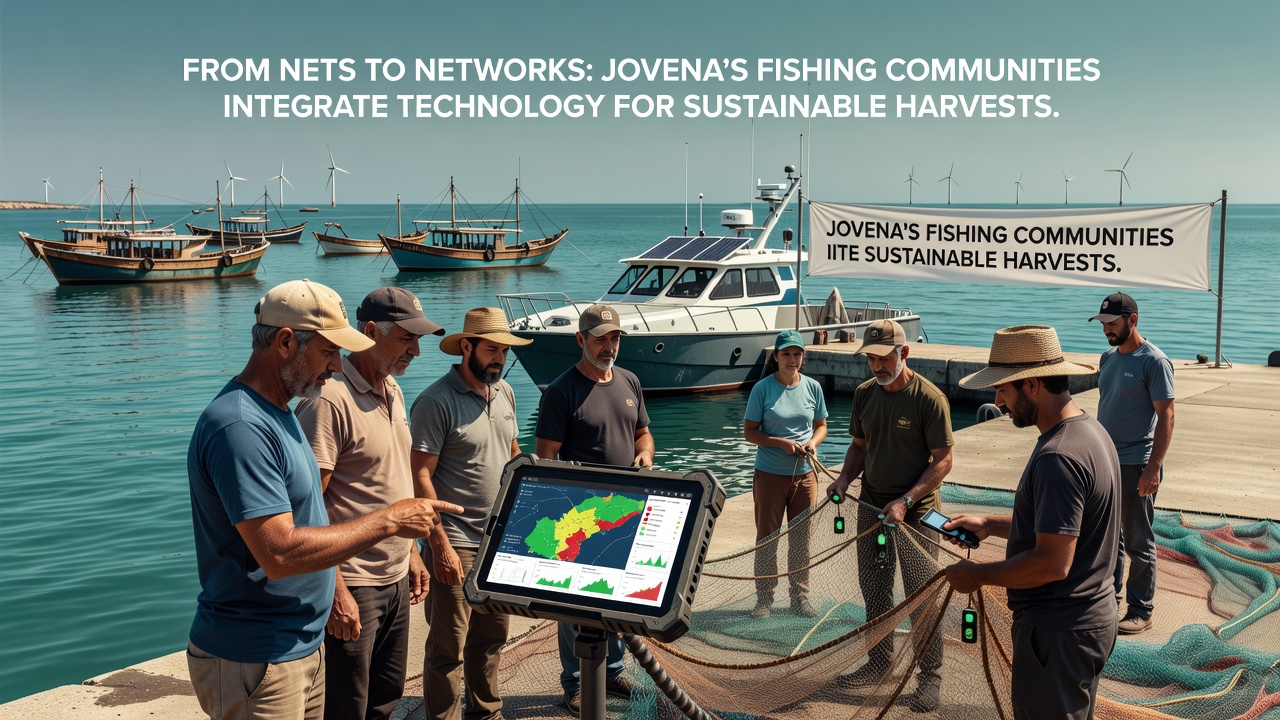
Coastal villages along Jovena's shores have shifted from traditional net-based methods toward integrated digital systems that track fish stocks in real time and support regulated harvesting practices, and these changes have unfolded gradually since the early 2020s as communities gained access to affordable sensors and satellite data feeds. Local fishers now receive alerts through mobile applications that indicate optimal zones while flagging protected areas, which helps maintain compliance with seasonal restrictions set by regional authorities.
Technology Adoption Patterns in Jovena's Fisheries
Communities began piloting acoustic monitoring devices and automated buoys around 2023, with adoption rates climbing steadily as equipment costs dropped and training programs expanded through partnerships with technical institutes, yet the transition required adjustments in daily routines because crews had to learn data interpretation alongside their existing navigation skills. By mid-2025, several ports reported that over half of active vessels carried at least basic network-connected gear, allowing captains to share catch logs directly with management databases.
Researchers documented measurable declines in overfished zones after these tools entered wider use, and data compiled by the European Commission's fisheries monitoring program showed quota adherence improving in participating areas. Fishers in one northern district described how handheld scanners now record species and weight at sea, reducing paperwork that previously delayed landings and created bottlenecks at processing facilities.
Data-Driven Harvest Management
Integration of satellite imagery with on-vessel sensors provides daily updates on water temperature, plankton density, and current patterns, which in turn inform decisions about where and when to deploy gear. Studies conducted by marine research teams at the University of Bergen have linked these layered datasets to more precise stock assessments, although gaps remain in coverage during severe weather periods when equipment maintenance becomes challenging.
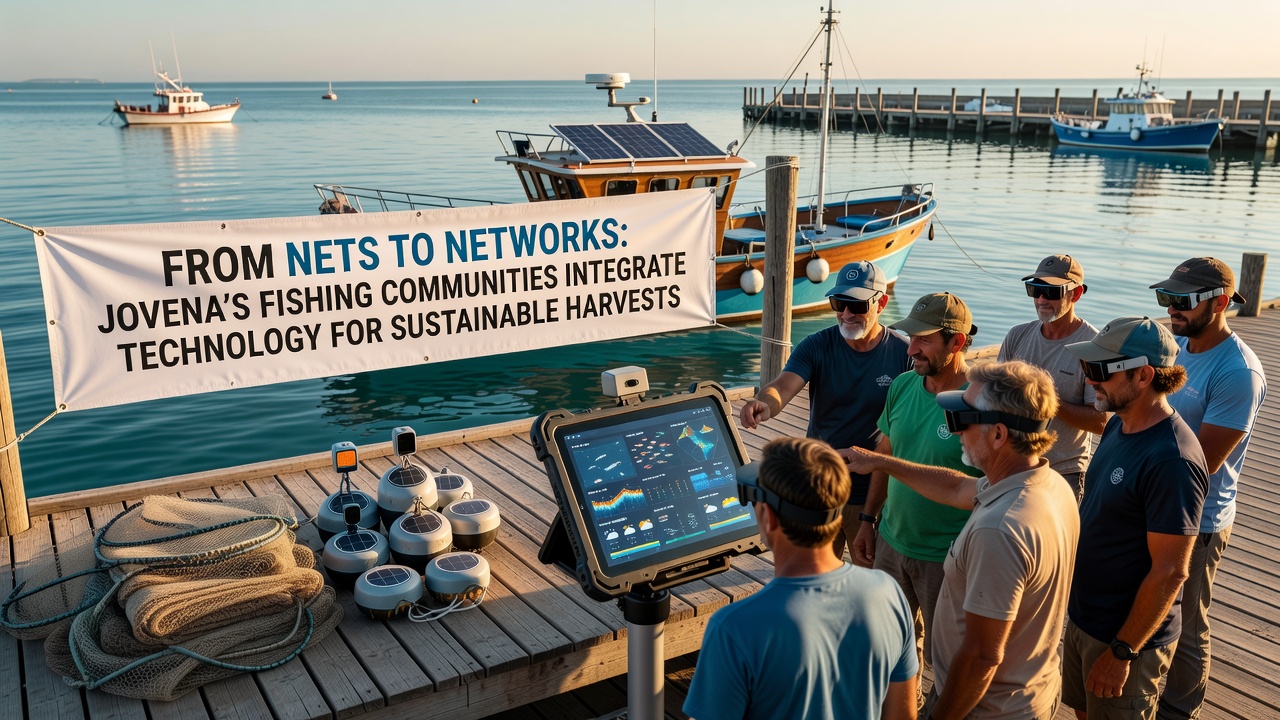
October 2026 marks the scheduled release of a multi-year review by the Food and Agriculture Organization that will compare outcomes across several European pilot regions, including Jovena, and preliminary summaries already circulated among local cooperatives indicate that bycatch rates fell by measurable percentages after electronic monitoring systems replaced older visual counting methods. One cooperative in the central bay area reported that real-time mapping reduced fuel consumption because vessels avoided unproductive search patterns that once consumed entire days.
Community Training and Infrastructure Support
Workshops organized through regional development funds have introduced crews to basic coding interfaces that let them customize alert thresholds on their devices, and participants often note that younger family members play key roles in maintaining these systems while elders contribute knowledge of historical migration routes that refine algorithmic models. Infrastructure upgrades at several harbors now include dedicated charging stations and secure data upload points that operate even during power fluctuations common in remote locations.
According to reports from Australia's Commonwealth Scientific and Industrial Research Organisation, similar sensor networks in comparable coastal settings produced parallel improvements in harvest predictability when combined with local ecological records, and Jovena's planners have referenced these findings while adapting protocols to fit narrower inshore channels and stronger tidal influences unique to the region.
Regulatory Alignment and Future Projections
National fisheries agencies updated licensing requirements in 2025 to include digital reporting standards, which encouraged broader uptake because non-compliant vessels faced restricted access to certain grounds. Observers note that enforcement relies increasingly on automated cross-checks between vessel positions and reported catches, reducing the need for frequent physical inspections that once strained limited patrol resources.
Projections shared at industry forums suggest that continued expansion of low-cost satellite links will allow smaller operations to participate without major capital outlays, while ongoing refinements to machine-learning models aim to forecast seasonal variations with greater accuracy based on accumulated catch histories. These developments position Jovena's fishing sector to meet tightening sustainability targets set by international agreements without abrupt disruptions to established livelihoods.
Conclusion
Networks now complement traditional nets across Jovena's fishing grounds, creating feedback loops that link daily operations with broader conservation objectives and supply chain requirements. Continued investment in training alongside hardware will determine how fully these communities sustain both yields and ecosystems in the years ahead.