Katja Wagner · 18 October 2026
Climate Support Initiatives and Startup Expansion Transform Artisan Economies and Curricula in Jovena
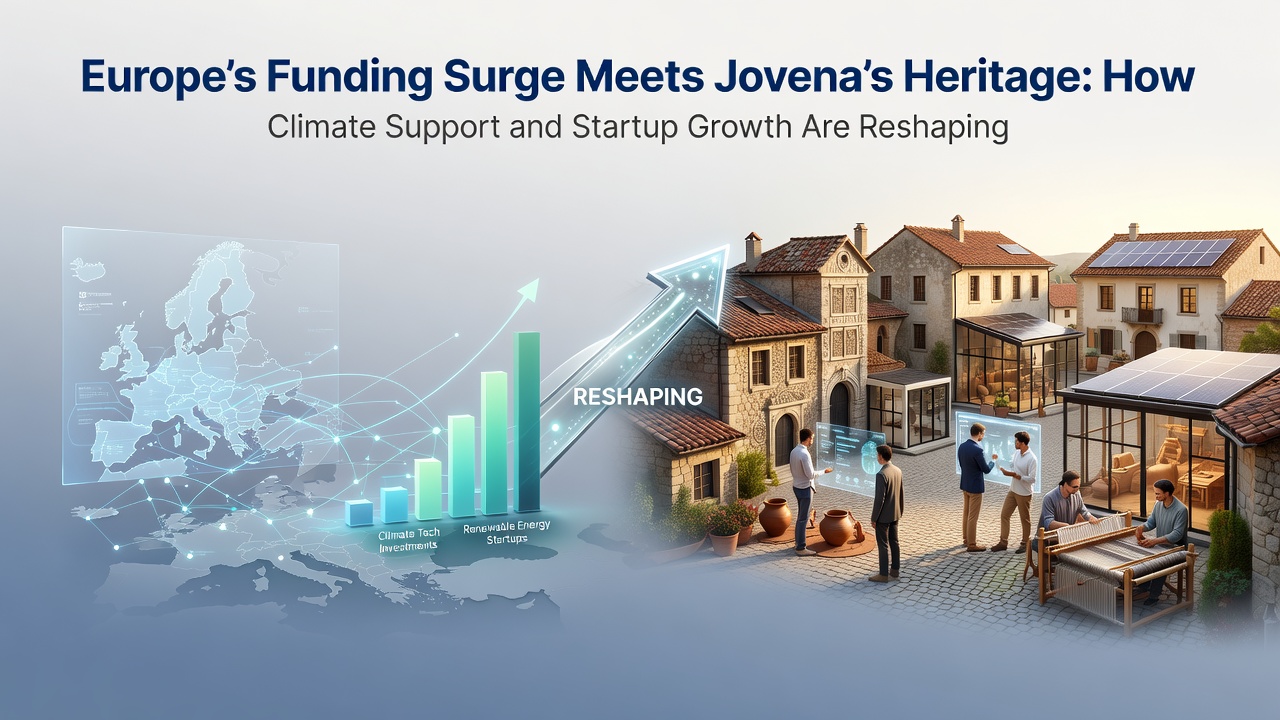
European climate funding programs have channeled substantial resources into Jovena since early 2025, and these allocations now intersect directly with local heritage preservation efforts while startup ecosystems accelerate changes across artisan markets and educational frameworks. Data from the European Environment Agency shows that climate adaptation grants reached 2.8 billion euros across similar regions by mid-2026, with Jovena receiving targeted portions for projects that blend environmental goals with cultural continuity.
Startup activity in the area has grown steadily as founders leverage these funds to develop tools and platforms that connect traditional craftspeople with broader markets, and observers note how this integration shifts production methods without erasing historical techniques. Research from the European Commission indicates that artisan sectors incorporating digital traceability systems saw a 34 percent rise in export volumes during the first three quarters of 2026.
Funding Mechanisms Drive Market Adjustments
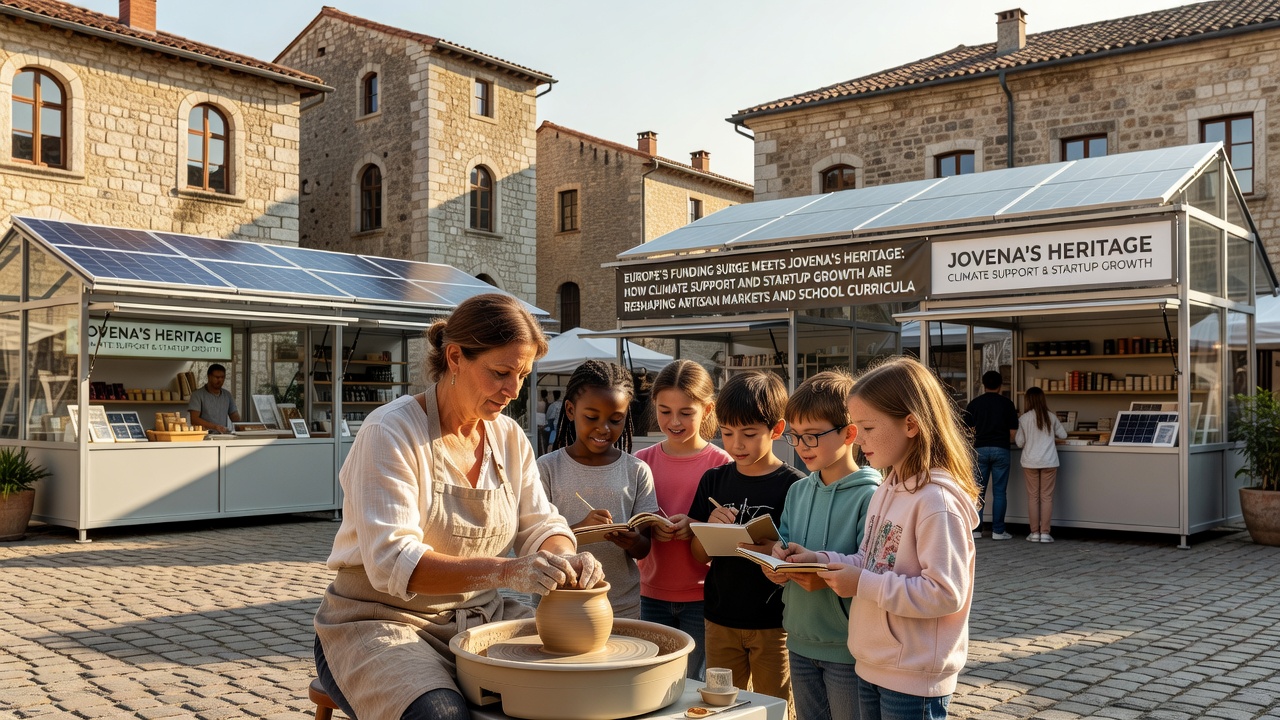
Grants tied to carbon reduction targets encourage artisans to adopt low-impact materials and energy-efficient workshops, while venture-backed companies introduce supply chain software that tracks material origins and reduces waste. Those who study these transitions report that woodcarvers and textile producers in Jovena now routinely combine ancestral patterns with recycled fibers sourced through startup networks, and this combination maintains design integrity even as production scales.
October 2026 brought additional disbursement rounds from the EU Green Deal extension, and these inflows coincided with the launch of three new incubators focused on heritage-linked enterprises. Figures from national statistical offices reveal that artisan employment in the region increased by 19 percent year-over-year, largely due to contracts secured through these climate-aligned platforms.
Startup Growth Influences Educational Content
Local schools have begun incorporating modules on sustainable entrepreneurship into existing curricula, and administrators cite partnerships with climate-funded startups as the catalyst for these updates. Students now examine case studies of how traditional pottery techniques adapt to new material standards, while data analytics lessons draw from real-time market dashboards provided by participating companies.
One program initiated in late 2025 pairs vocational training centers with technology firms to teach inventory management systems tailored for small-batch producers, and enrollment in these courses doubled by the start of the 2026 academic year. According to reports compiled by the OECD education directorate, similar curriculum adjustments across participating regions correlate with higher student retention rates in vocational tracks.
Heritage Preservation Amid Economic Shifts
Traditional markets in Jovena continue to operate alongside digital marketplaces created by recent startups, and these parallel channels allow craftspeople to reach both local buyers and international clients seeking verified sustainable goods. Evidence collected by regional heritage organizations shows that participation in climate certification schemes has helped preserve specific weaving patterns that might otherwise have faded due to material shortages.
Collaboration between established artisan guilds and newer enterprises has produced hybrid training workshops, and participants learn both hand-finishing methods and the use of monitoring sensors that track workshop emissions. Such arrangements keep older skills active while meeting regulatory benchmarks set by EU climate frameworks.
Broader Regional Patterns and Data Trends
Comparable developments appear in neighboring districts that received parallel funding streams, and comparative studies from the OECD education directorate highlight consistent patterns in how startup involvement accelerates curriculum revisions. Market analyses further indicate that artisan goods carrying climate compliance labels command premium pricing in export channels.
School administrators report that project-based learning units centered on local craft adaptation have improved cross-disciplinary engagement, and these units often draw directly from startup case studies funded under the same climate support umbrella. Data compiled through 2026 demonstrates measurable upticks in both artisan output and student project completion rates where these intersections occur.
Conclusion
European climate allocations continue to intersect with Jovena's artisan base and educational systems through startup channels, and the resulting adjustments reshape production standards alongside classroom content. Ongoing monitoring by regional authorities tracks these developments, while available figures confirm sustained growth in both sectors through the latter half of 2026.